This year, the world didn’t gather in Mulham to see what the future might look like.
It gathered to see what has already started happening.
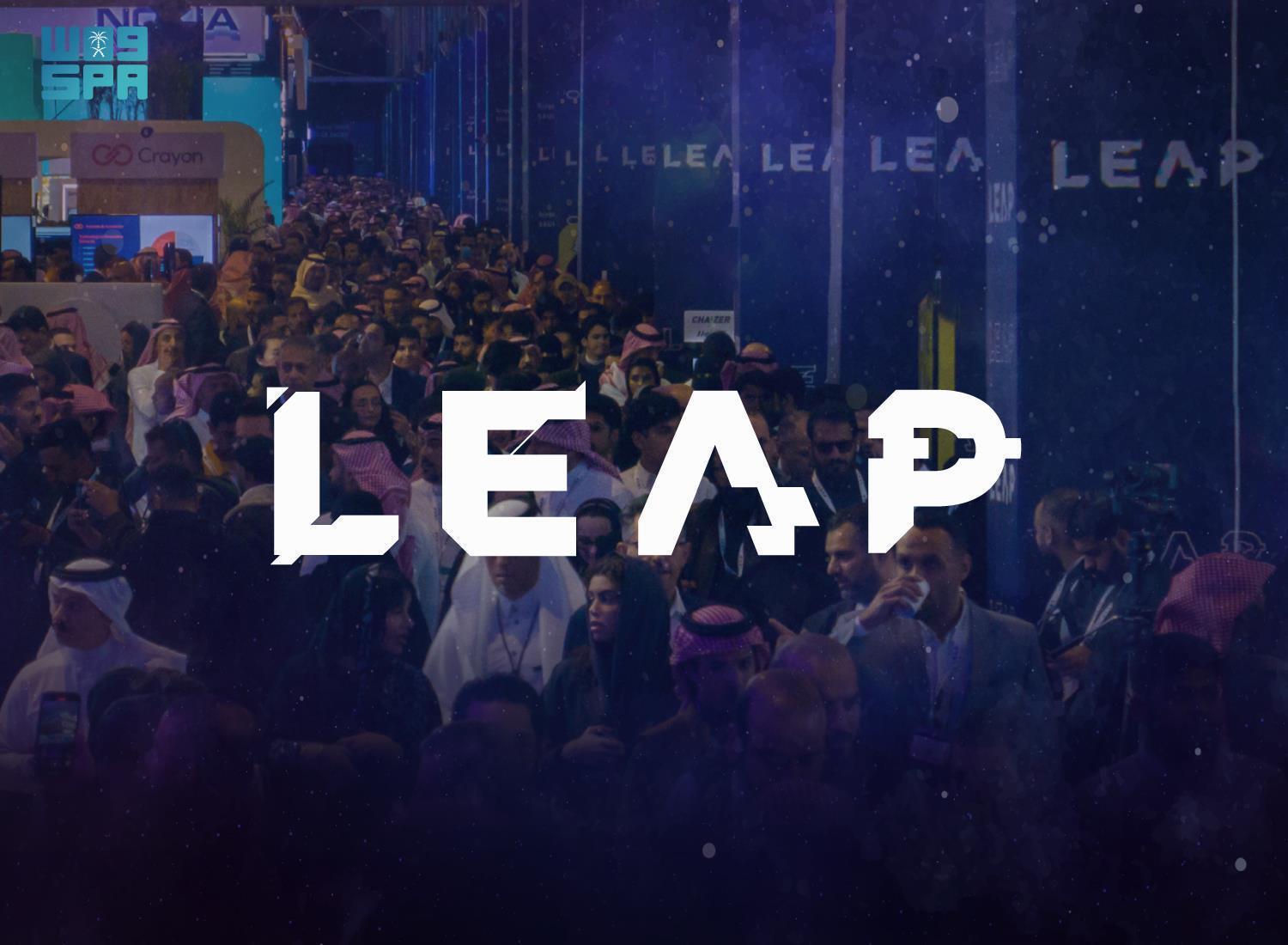
From August 31 to September 3, Mulham is hosting the fifth edition of LEAP 2026 under the theme Into New Worlds, with more than 1,000 speakers, 1,900 investors, 1,800 global technology brands, and 600 startups in attendance.
The numbers are impressive, but the bigger story isn’t the number of attendees.
It’s the scale of the transformation happening around us, and how technology is becoming part of the way businesses operate, make decisions, create content, and shape the customer experience.
With the launch of LEAP 2026, the value of announced launches, investments, and partnerships in artificial intelligence and advanced technologies surpassed $15 billion.
So, the future we were talking about a few years ago?
Part of it is already being built today, right here.
From Mulham… to the World
LEAP began in Riyadh in 2022, and today, in its fifth edition, it has grown into a global technology event that brings technology companies, investors, startups, and decision-makers together in one place.
The 2026 edition expands the conversation across a wide range of fields, including artificial intelligence, cloud computing, cybersecurity, smart cities, fintech, healthcare, space, gaming, and mobility.
But amid all these technologies, there’s one question that matters to us as marketers:
Which of them will truly change the way brands communicate with their audiences?
Artificial Intelligence Has Entered a New Phase
In recent years, the question was:
What can artificial intelligence do?
Today, the question has changed to:
Where can we actually use it?
And that shift is clear at LEAP 2026, from infrastructure, data centers, and computing to models and specialized applications across different sectors.
One of the most notable announcements for the creative industry came through a collaboration between Adobe, the Ministry of Communications and Information Technology, and HUMAIN.
As part of the partnership, plans were announced to develop an image-generation model using Adobe Firefly Foundry, designed with Saudi culture in mind and capable of generating imagery that reflects it through Arabic-language prompts.
And here, the conversation becomes much bigger than a tool that generates images.
The better technology becomes at understanding our language, context, and culture, the more important the quality of the idea itself becomes.
The tool can speed up execution, but what should we say? Who are we speaking to? What tone should we use? And what makes the idea genuinely reflect the brand and its audience?
These remain marketing questions before they become technology questions.
Technology Alone Is No Longer Enough
One thing that stands out at LEAP 2026 is that much of today’s technological transformation is no longer about simply having new technology.
It’s about how technology becomes part of the user experience itself.
For example, during LEAP, the Ministry of Tourism launched a unified platform for tourism services that brings access to multiple services together through a single digital interface, with the aim of simplifying processes and improving the user experience.
The idea here matters to every brand:
Customers don’t care how many systems are running behind the scenes. They care about how easy their experience is.
That applies to websites, stores, customer service, CRM systems, and even campaigns.
A business can have many technologies in place, but if the customer journey between them is fragmented, then technology hasn’t solved the problem.
Data Knows a Lot… But Who Knows How to Use It?
The more digital tools we use, the more data we can collect about the customer journey.
But having data doesn’t automatically mean better decisions.
That’s where the connection between technology and strategy becomes important.
Where did the customer come from?
What content did they engage with?
Which page did they visit?
Did they become a lead?
What happened after they reached the sales team?
When this information is scattered across multiple platforms and teams, we only see parts of the journey.
But when it is connected within a clear ecosystem, the data begins to form a fuller picture that helps the team make better decisions.
That is exactly why Customer Relationship Management (CRM) systems, automation, and analytics are so important today.
Not because they add new technology to the business, but because they help technology and data support clearer decisions.
So… What Does Marketing Have to Do with LEAP?
Almost everything.
Because the technological shifts we’re seeing don’t stop at IT departments.
Artificial intelligence has entered content creation.
Data has become part of understanding the customer.
Automation has become part of managing the customer journey.
And the digital experience has become part of the purchasing decision.
This means marketers today don’t need to know how to use every new technology.
But they do need to understand which technologies support their goals, where to use them, and what value they add for the customer.
That’s the difference between a company that uses technology and a company that understands why it uses it.
From Technology… to Real Value
At Maznexa, we see technology as part of the marketing ecosystem, not as a separate solution.
From HubSpot and Customer Relationship Management systems to website development, search engine optimization, content management, and digital campaigns, technology becomes more powerful when it is connected to a clear strategy and an integrated customer experience.
Because the fastest tool can’t make up for a weak idea.
The largest amount of data is of little value if it doesn’t lead to a decision.
And the latest technology won’t create impact if we don’t know where to use it.
And that may be the most important takeaway from LEAP 2026:
Technology changes quickly, but real value begins when we know how to put it to use.
And from Mulham, the world today is watching part of that future turn into reality.

 Mulham Inspires the World | LEAP 2026">